Slip and fall injuries are common, and they can be more serious than people expect. A fall on a hard surface can cause fractures, head injuries, and lasting harm. When a fall happens because of a dangerous condition on someone else’s property, questions arise about who is responsible. California law provides a framework for answering these questions, centered on the duty property owners owe to those who come onto their property. Because falls can cause lasting harm, the stakes in these cases are often higher than they first appear. A clear grasp of the framework helps injured people understand where responsibility may lie.
The Duty California Owners Owe
In California, property owners have a duty to use reasonable care in keeping their premises safe. This duty extends to people who are lawfully on the property, and it includes addressing dangerous conditions and warning of hazards that are not obvious. The law does not make an owner responsible for every fall, but it does require reasonable attention to the safety of the property. This duty of care forms the foundation of most slip and fall claims in the state.
What an Injured Person Must Show
To succeed in a slip and fall claim, an injured person generally must show that a dangerous condition existed, that the property owner knew or should have known about it, and that the owner failed to address it or provide adequate warning. The person must also show that the condition caused the injury. Each of these elements matters, and a claim can rest on whether the owner had a reasonable opportunity to discover and fix the hazard.
The Question of Notice
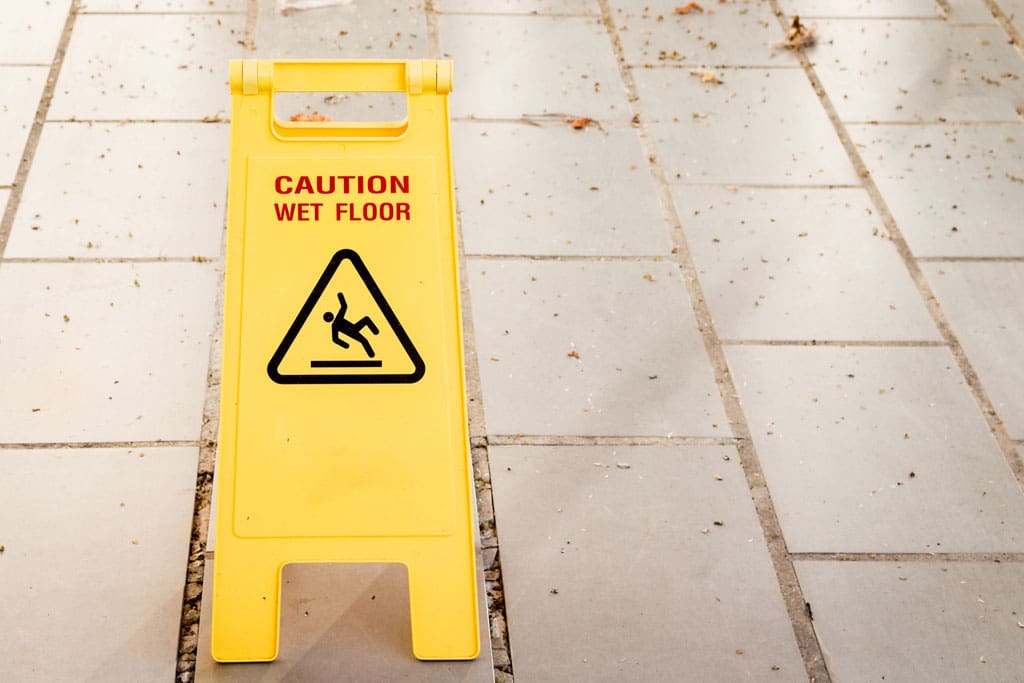
Notice is often the pivotal issue in a California slip and fall case. An owner is generally responsible for hazards they created, hazards they actually knew about, and hazards they should have discovered through reasonable inspection. A spill that existed only briefly before a fall raises different questions than one that remained for a long time. Establishing how long a condition existed, and whether the owner had a chance to address it, frequently determines the outcome.
Comparative Fault in California
California follows pure comparative fault, which affects slip and fall claims. If the injured person is found partly responsible, perhaps for not watching where they were going, the recovery is reduced by their percentage of fault rather than eliminated. This means an injured person can recover even when they share some blame. Property owners and insurers often raise comparative fault, so understanding how it works helps set realistic expectations about the value of a claim.
Evidence That Supports a Claim
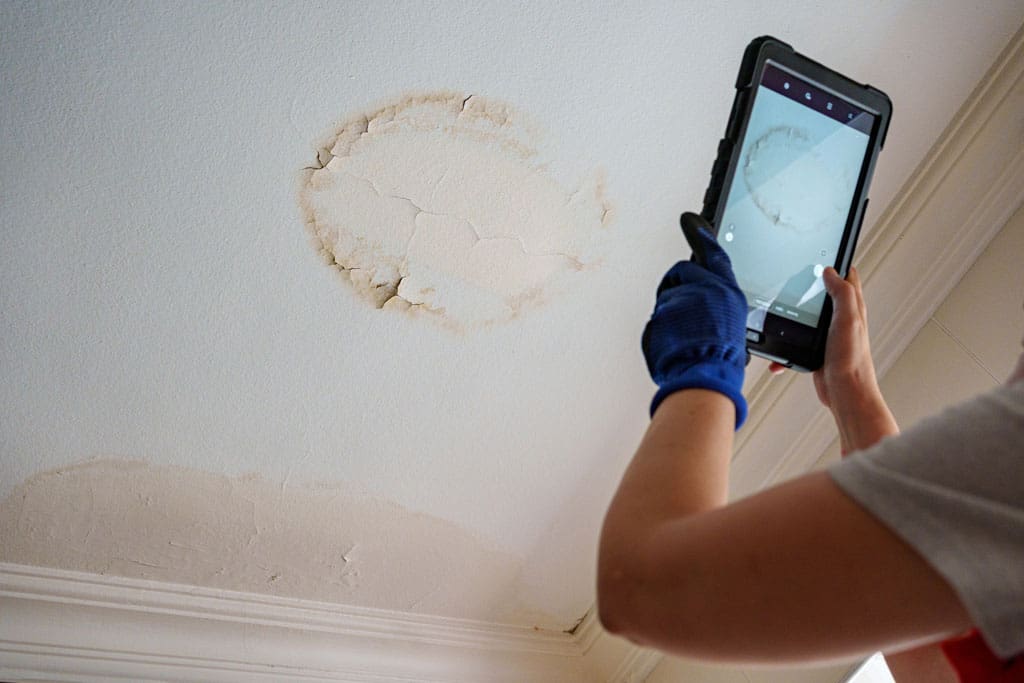
Slip and fall claims depend heavily on evidence about the condition and the circumstances. Photographs of the hazard, taken before it is cleaned or repaired, are valuable. Incident reports, surveillance footage, and witness accounts help establish what happened and what the owner knew. Because this evidence can disappear quickly, gathering it soon after the fall is important. A well-documented condition tends to support a much stronger claim than one described only from memory.
Damages in a Slip and Fall Claim
When a slip and fall claim succeeds, it addresses the losses the injured person suffered. These can include medical expenses, both those already incurred and those expected in the future, along with lost income when the injury kept the person from working. The claim may also address the pain and diminished enjoyment of life that resulted from the fall. The scope of these losses depends on the severity of the injury and its effect on the person’s life. Understanding the range of losses a claim can address helps injured people appreciate what is at stake and why documenting the full extent of the harm matters.
Understanding the Path Forward
A slip and fall claim in California brings together questions of duty, notice, causation, and comparative fault. An injured person who understands these elements is better able to evaluate their situation. While each case turns on its own facts, the framework remains consistent: a property owner who failed to use reasonable care in addressing a known or discoverable hazard may bear responsibility for the resulting injury. Knowing this framework provides a clear starting point.