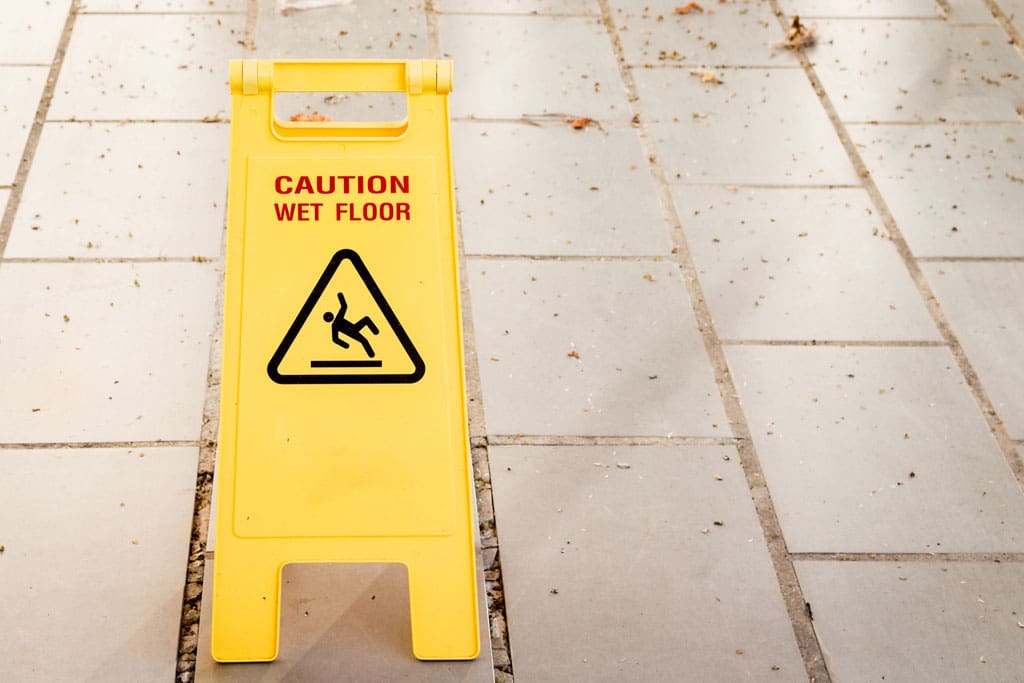
One of the most important and most contested questions in a premises liability case is whether the property owner knew about the hazard that caused the injury. A property owner is generally not responsible for a danger they had no reasonable way to know about. Proving knowledge, or that the owner should have known, is therefore central to many claims. Understanding how this is done clarifies what these cases often come down to. This question of knowledge sits at the heart of many premises cases, and it is frequently where they are won or lost. Understanding how knowledge is shown clarifies what these claims require.
Actual Knowledge of a Hazard
The most direct way to establish an owner’s knowledge is to show they actually knew about the hazard. This might be the case when an employee observed a spill, when a customer reported a problem, or when the owner created the condition themselves. Evidence of actual knowledge can come from incident reports, communications, or testimony. When an owner knew about a danger and failed to address it, the question of notice is more straightforward than in other cases.
Constructive Knowledge and Reasonable Inspection
Often an owner did not actually know about a hazard, but the law may still hold them responsible if they should have known. This is called constructive knowledge. It applies when a hazard existed long enough that a reasonable owner, conducting reasonable inspections, would have discovered it. A spill that remained for an extended period, or a broken fixture that went unnoticed for weeks, can support constructive knowledge even without proof that the owner actually saw it.
The Role of Time
How long a hazard existed frequently determines whether constructive knowledge applies. A danger that appeared moments before an injury gives an owner little opportunity to discover it, while one that persisted for hours or days suggests a failure to inspect. Establishing the timeline is therefore a common focus. Evidence about when a condition arose, and how long it remained, helps show whether the owner had a reasonable chance to find and fix it.
Inspection Practices and Records
An owner’s inspection practices can be revealing. A business with no system for checking its premises, or one that ignored its own procedures, may have a harder time arguing it had no way to know about a hazard. Maintenance logs, cleaning schedules, and records of inspections can either support or undermine a claim of reasonable care. These records often become important evidence in showing whether an owner met the duty to discover hazards.
Evidence That Establishes Notice
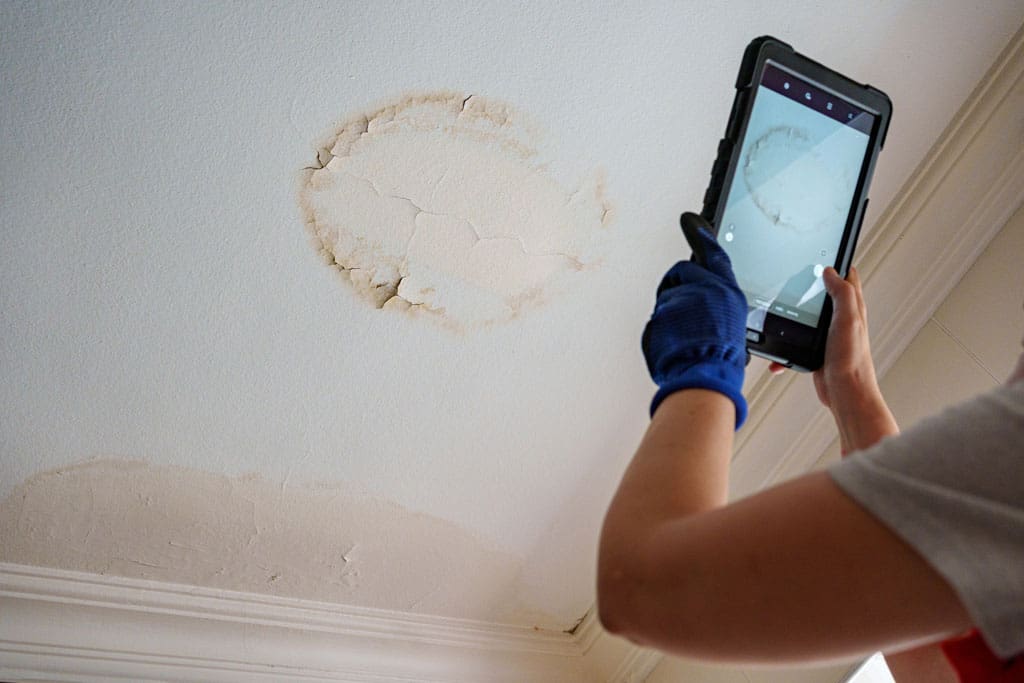
Proving notice usually requires piecing together several sources of information. Surveillance footage can show how long a condition existed. Witness accounts can establish when a hazard appeared. Employee testimony may reveal what the owner knew and when. Photographs can document the nature of the condition. Because much of this evidence is time-sensitive, gathering it promptly matters. A well-supported timeline is often the difference between a claim that establishes notice and one that cannot.
Recurring Hazards and Patterns
Sometimes a hazard is not a one-time occurrence but a recurring condition. A spot that regularly becomes slippery, a fixture that repeatedly malfunctions, or a problem that has caused issues before can support the conclusion that an owner should have known about the danger. A pattern of similar incidents suggests that the owner was, or should have been, aware of the risk. Evidence of prior complaints or repeated problems can therefore be significant. When a hazard recurs, an owner’s failure to address the underlying issue may weigh heavily in showing that the owner had constructive knowledge of the danger.
Why This Element Is So Important
Notice is frequently the element that decides a premises liability case. An injured person can show a hazard existed and caused harm, yet still face the question of whether the owner knew or should have known. Understanding the difference between actual and constructive knowledge, and the role that time and inspection practices play, clarifies what these cases require and why documenting the condition early is so valuable.