Some injuries on commercial property result not from a physical hazard but from a lack of adequate security. When a person is harmed by criminal activity on a property, and reasonable security measures might have prevented it, a negligent security claim may follow. These cases recognize that keeping a property reasonably safe can sometimes require more than fixing broken steps or cleaning up spills. Understanding how they work sheds light on an often-overlooked area of premises liability. These claims occupy a distinct corner of premises liability, and they can be less familiar than cases involving physical defects. Understanding their foundation clarifies when such a claim may exist.
What Negligent Security Involves
A negligent security claim arises when a property owner fails to provide reasonable security measures and a person is harmed by foreseeable criminal conduct as a result. The focus is on whether the owner took reasonable steps to protect people on the property. This does not make an owner an insurer against all crime, but it does recognize that in some settings, reasonable care includes measures to reduce foreseeable risks of harm from third parties.
The Central Role of Foreseeability
Foreseeability is often the key issue in a negligent security case. An owner’s duty to provide security measures generally depends on whether harm of that kind was foreseeable. A history of similar incidents on or near the property, the nature of the business, and the surrounding circumstances all bear on foreseeability. When prior events made the risk apparent, an owner who took no reasonable precautions may face responsibility for harm that followed.
Reasonable Security Measures
What counts as reasonable security depends on the situation. Adequate lighting, functioning locks, security personnel, cameras, and controlled access are among the measures that may be appropriate in particular settings. The law does not require every possible precaution, only reasonable ones given the foreseeable risk. A property with a known history of problems may call for more robust measures than one where no such risk was apparent, which is why context shapes the analysis.
Common Settings for These Claims
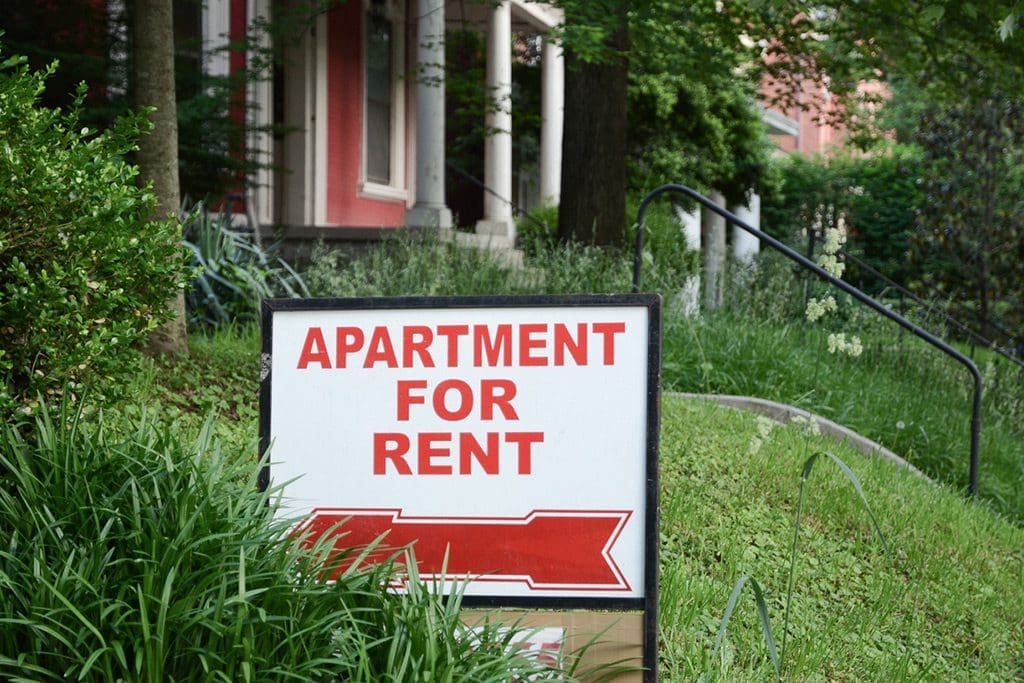
Negligent security claims can arise in many commercial settings, including parking structures, apartment complexes, hotels, shopping centers, and entertainment venues. These are places where people gather and where a lack of security can create real risk. The specific measures expected vary with the setting, but the underlying question remains the same: did the owner take reasonable steps to address a foreseeable danger to the people using the property?
Establishing the Connection to Harm
A negligent security claim requires linking the inadequate security to the harm suffered. This involves showing not only that security was lacking but that reasonable measures would have reduced the risk of the harm that occurred. Evidence of prior incidents, the condition of security features, and expert analysis of what reasonable measures would have accomplished can all contribute. Building this connection is often the most demanding part of a negligent security case.
Balancing Cost and Reasonable Measures
A recurring question in negligent security cases is how much security a property owner must provide. The law calls for reasonable measures, not every conceivable precaution. What is reasonable depends on the foreseeable risk, the nature of the property, and the circumstances. A setting with a history of serious incidents may call for more substantial measures than one where little risk was apparent. The analysis weighs the burden of additional security against the foreseeable danger it would address. Understanding this balance helps clarify why the measures expected of one property may differ from those expected of another with a different risk profile.
Understanding a Less Familiar Claim
Negligent security occupies a less familiar corner of premises liability, but it rests on the same basic principle: property owners must use reasonable care to keep their premises safe. When foreseeable criminal conduct causes harm that reasonable security might have prevented, the law provides a path to address it. Understanding the roles of foreseeability and reasonable measures helps clarify when such a claim may exist.