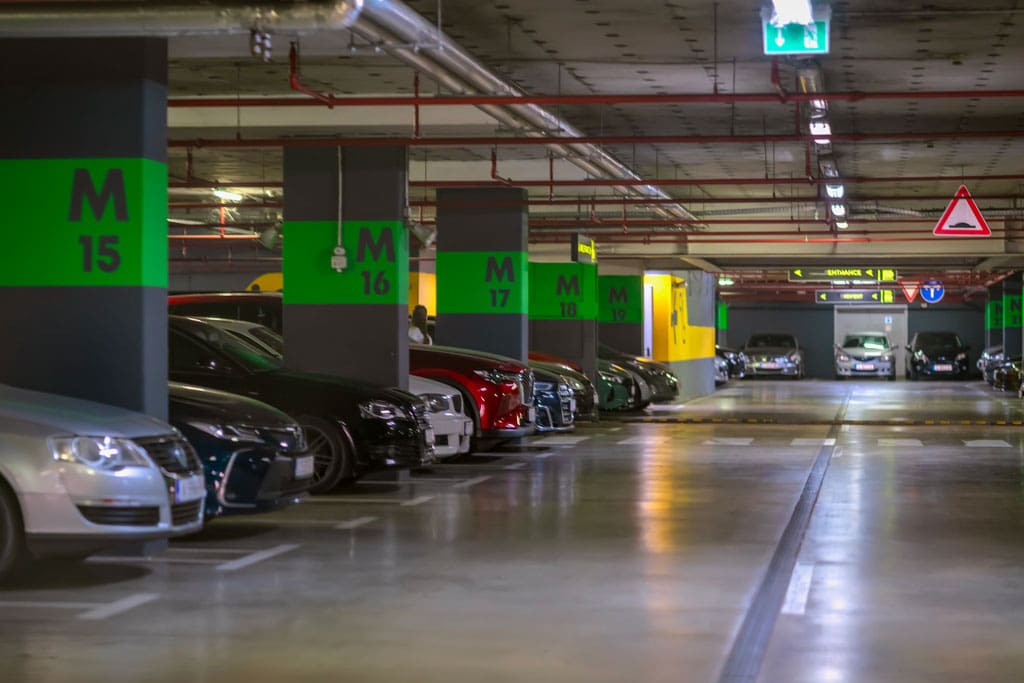
Parking lots and garages are places people pass through quickly, often without much thought. Yet these spaces carry their own hazards, from poor lighting and uneven surfaces to concerns about security. When someone is injured in a parking lot or garage, questions arise about who was responsible for the area and whether it was reasonably safe. Understanding these cases helps injured people grasp the factors that determine responsibility.
Common Hazards in These Spaces
Parking lots and garages present a range of hazards. Uneven or cracked pavement, potholes, and poorly marked changes in level can cause falls. Inadequate lighting can hide dangers and contribute to injuries. Wheel stops, curbs, and debris add further risks. Vehicles moving through the area create another layer of danger. Because these spaces combine pedestrian and vehicle traffic with surfaces that can deteriorate, they present conditions that can lead to injury when not properly maintained.
Who Is Responsible for the Area
A key question in these cases is who controlled and was responsible for maintaining the parking lot or garage. The owner of the property, a business that operates the lot, or a company responsible for its upkeep may each bear responsibility depending on the arrangement. Determining who had responsibility for the area is often the first step. Because responsibility can rest with different parties, identifying the correct one is central to understanding an injury claim arising in these spaces.
Maintenance and Lighting
Those responsible for parking lots and garages are generally expected to maintain them with reasonable care. This includes keeping surfaces in reasonable condition, addressing hazards, and providing adequate lighting. Poor lighting is a recurring issue, because it can hide hazards and contribute to injuries. A responsible party that neglects maintenance or allows lighting to fail may fall short of its duty. Understanding the role of maintenance and lighting helps clarify what reasonable care for these spaces often involves.
Questions of Security
Some injuries in parking lots and garages involve concerns about security rather than physical hazards. These spaces can be settings where inadequate security contributes to harm from criminal conduct. When such harm is foreseeable and reasonable security measures were lacking, questions of negligent security can arise. Understanding that security may be relevant in these spaces helps clarify that responsibility can extend beyond physical maintenance to include reasonable measures where a risk of harm is foreseeable.
The Mix of Pedestrians and Vehicles
Parking lots and garages are unusual in combining pedestrian and vehicle traffic in close quarters. This mix creates risks of collisions and other incidents. The layout, markings, and design of the area can affect safety. When an injury involves this interaction between pedestrians and vehicles, the conditions of the space and how it was managed can be relevant. Understanding this feature of parking areas helps clarify one of the ways injuries occur in these spaces.
Preserving Information After an Injury
After an injury in a parking lot or garage, preserving information helps establish what happened. Documenting the hazard or condition, noting the lighting and layout, and identifying witnesses all help. Photographs taken before conditions change can be valuable, as can any incident report. Because these spaces can be repaired or altered, gathering information promptly is important. A clear record of the conditions supports an accurate understanding of the injury and the responsible party’s role.
Understanding a Parking Area Injury
Injuries in parking lots and garages turn on the hazards present, who was responsible for the area, and whether it was reasonably maintained and secured. Understanding the common hazards, the importance of identifying the responsible party, and the roles of maintenance, lighting, and security helps injured people make sense of their situation. These spaces carry real risks, and responsibility depends on whether those in control kept them reasonably safe.