In stores where merchandise is stacked on high shelves, items can fall and injure the people below. A falling box, container, or product can cause serious head and other injuries, often without warning. When falling merchandise injures a customer, questions arise about how the items were stored and whether the store took reasonable care. Understanding these cases helps injured customers grasp how responsibility is analyzed when merchandise falls.
How Falling Merchandise Causes Injury
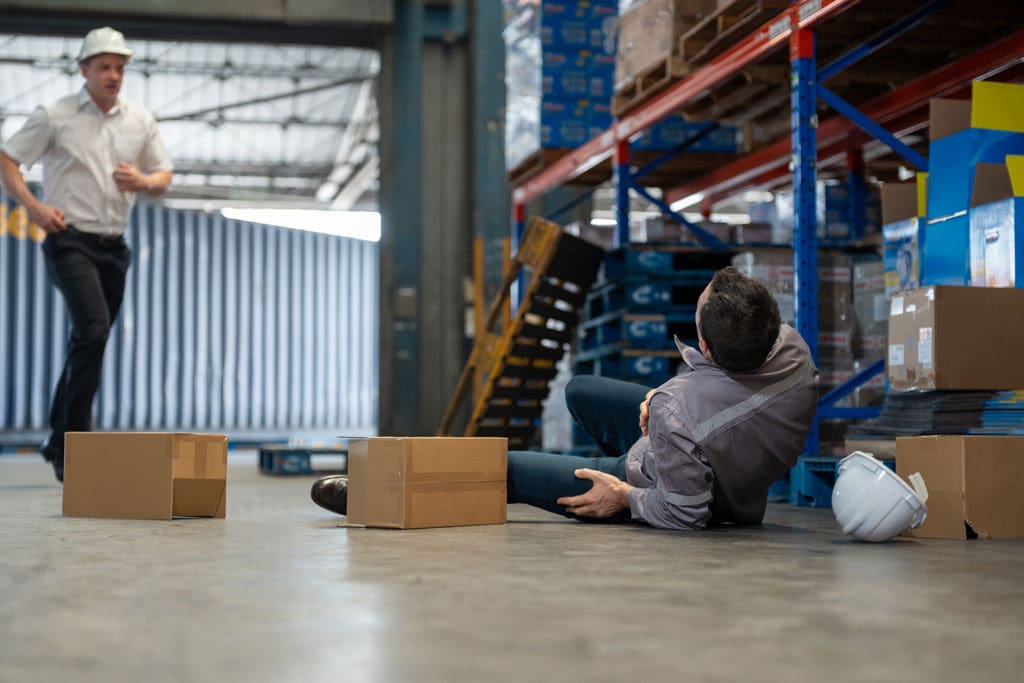
Falling merchandise injuries occur when items stored above floor level come down onto a person. This can happen with heavy boxes on high shelves, improperly stacked products, or items that are unstable. In stores that use tall shelving to display and store goods, the risk is present wherever customers walk beneath stacked merchandise. Because these items can fall without warning and strike a person from above, the resulting injuries, particularly to the head, can be serious.
The Store’s Duty of Care
Stores owe customers a duty of reasonable care, which extends to how merchandise is stored and stacked. Keeping items secure, stacking them safely, and preventing unstable arrangements are part of maintaining a reasonably safe environment. A store that stores merchandise carelessly, allowing items to become unstable, may fall short of this duty. Understanding that the store’s responsibility includes the safe storage of its goods helps clarify how these cases connect to the store’s broader duty to keep customers safe.
Stocking and Storage Practices
How a store stocks and stores its merchandise is often central to a falling merchandise case. Practices for stacking items securely, using appropriate shelving, and preventing overloading all bear on safety. A store’s procedures, and whether they were followed, can be important. When items fall because they were stacked carelessly or stored in an unsafe way, the store’s practices come under scrutiny. Understanding the role of stocking and storage practices helps clarify what these cases often examine.
The Question of Responsibility
Determining responsibility for a falling merchandise injury involves asking whether the store took reasonable care in how it stored its goods. If merchandise fell because it was improperly stacked, overloaded, or left unstable, the store’s failure to store it safely may support responsibility. As with other premises cases, the question is whether the store met its duty of care. Understanding this helps injured customers see how the manner of storage connects to whether the store bears responsibility.
Evidence After Merchandise Falls
Establishing what happened after merchandise falls depends on evidence. The condition of the shelving, how the items were stacked, and the circumstances of the fall all matter. Photographs of the scene, incident reports, surveillance footage, and witness accounts can help establish what occurred. Because the scene may be cleaned up or rearranged quickly, gathering this information promptly is valuable. A clear record of how the merchandise was stored supports an accurate understanding of why it fell.
The Injured Customer’s Position
A customer injured by falling merchandise generally did nothing to cause the items to fall, which can distinguish these cases from some other premises claims. The focus tends to rest on how the store stored its goods. Even so, the circumstances are examined fully. Understanding that these cases often center on the store’s storage practices helps injured customers grasp their position. The way the merchandise was stored, rather than the customer’s conduct, is frequently the central question.
Understanding a Falling Merchandise Claim
When merchandise falls and injures a customer, responsibility often turns on how the store stored its goods and whether it took reasonable care. Understanding the store’s duty, the role of stocking and storage practices, and the importance of preserving evidence helps injured customers make sense of their situation. These cases center on whether the store met its responsibility to store merchandise safely for the people who shop beneath it.