Renters trust that the places they live will be reasonably safe, and California law places certain responsibilities on landlords to support that expectation. When an injury results from an unsafe condition in rental housing, questions arise about whether the landlord met those responsibilities. Understanding the duties landlords owe, and the limits of those duties, helps tenants make sense of their situation when harm occurs at home. Because a home is where people expect to feel safe, injuries in rental housing can be especially unsettling. Understanding the responsibilities involved helps tenants make sense of a difficult situation.
The Landlord’s Duty to Maintain the Property
Landlords in California have a duty to maintain rental property in a reasonably safe condition. This includes keeping common areas safe and addressing conditions that could cause harm. The duty reflects the reality that tenants rely on landlords to handle maintenance and repairs they cannot address themselves. When a landlord fails to keep the property reasonably safe and an injury results, that failure can form the basis of a claim.
Common Areas and Shared Spaces
In multi-unit housing, landlords typically retain control over common areas such as stairwells, hallways, walkways, and parking areas. Because these spaces are under the landlord’s control, the responsibility for their condition generally rests with the landlord. A broken stair in a shared stairwell or inadequate lighting in a common walkway can lead to a claim if it causes injury. The distinction between common areas and the interior of a unit often matters in these cases.
Conditions Inside a Rental Unit
Responsibility for conditions inside a rented unit can be more nuanced. Landlords generally must address serious defects and respond to repair requests, particularly for problems affecting habitability. When a tenant has reported a dangerous condition and the landlord has failed to address it within a reasonable time, an injury resulting from that condition can raise questions of responsibility. Notice to the landlord frequently plays a role in these situations, much as it does in other premises cases.
The Importance of Notice and Repairs
Whether a landlord knew or should have known about a dangerous condition is often central. A landlord who received a repair request and did nothing stands in a different position than one who had no way to know about a hidden defect. Keeping records of repair requests and the landlord’s responses can be important for a tenant. This documentation helps establish what the landlord knew and whether a reasonable response followed.
Habitability and Safety Standards
California law requires rental housing to meet basic habitability standards, which relate to the safety and livability of a home. Conditions that violate these standards, such as certain structural or safety defects, can be relevant when an injury occurs. While habitability and personal injury are distinct issues, a serious safety defect that a landlord failed to correct can connect the two. Understanding these standards gives tenants a fuller sense of what landlords are expected to provide.
Steps a Tenant Can Take After an Injury
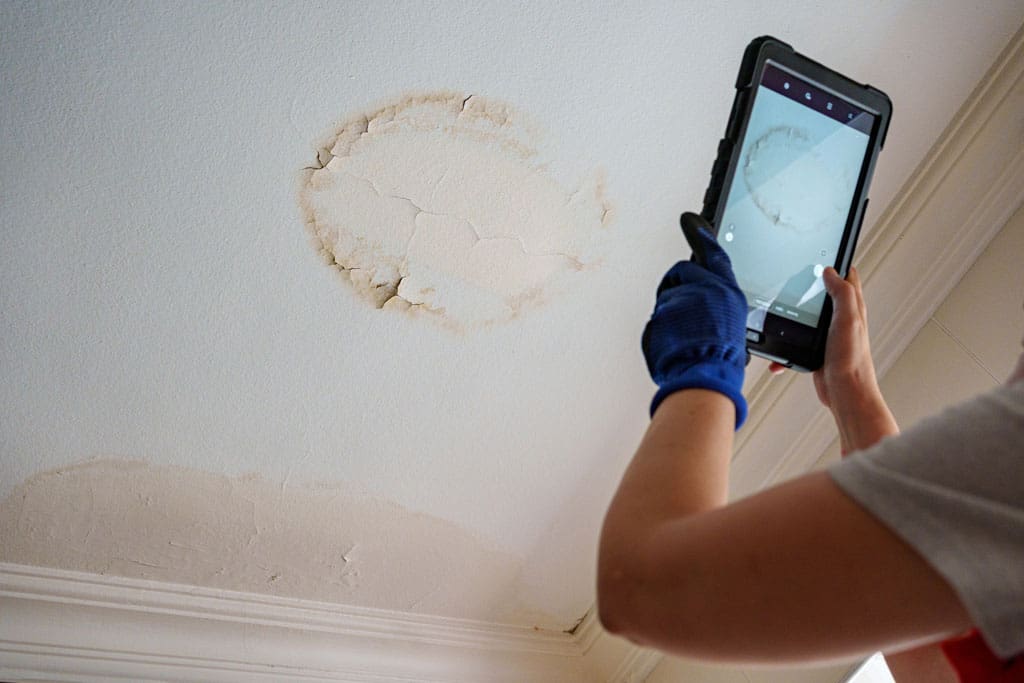
When an injury occurs in rental housing, certain steps can help preserve an understanding of what happened. Documenting the condition that caused the injury, through photographs and notes, captures information that may change once repairs are made. Keeping records of any prior repair requests and the landlord’s responses can be important, since notice often matters in these cases. Seeking medical care promptly addresses the injury and documents it. Reporting the incident to the landlord creates a record of the event. These steps, taken soon after an injury, help preserve the information needed to understand the landlord’s role and the circumstances of the harm.
Knowing Where Responsibility Lies
Injuries in rental housing raise questions about the division of responsibility between landlord and tenant. The landlord’s control over the property, knowledge of the condition, and response to repair requests all shape the analysis. Tenants who understand these factors are better prepared to evaluate their situation when an injury occurs at home. A clear grasp of landlord duties provides a foundation for making sense of what happened and what options may exist.